After more than three decades in Princeton, family with severely disabled daughter faces deportation threat
Graciela Quiej can stay in the U.S. until May. Her husband, who helps care for their daughter Ebelyn and keeps the family afloat, could still be deported, along with two of their adult children.
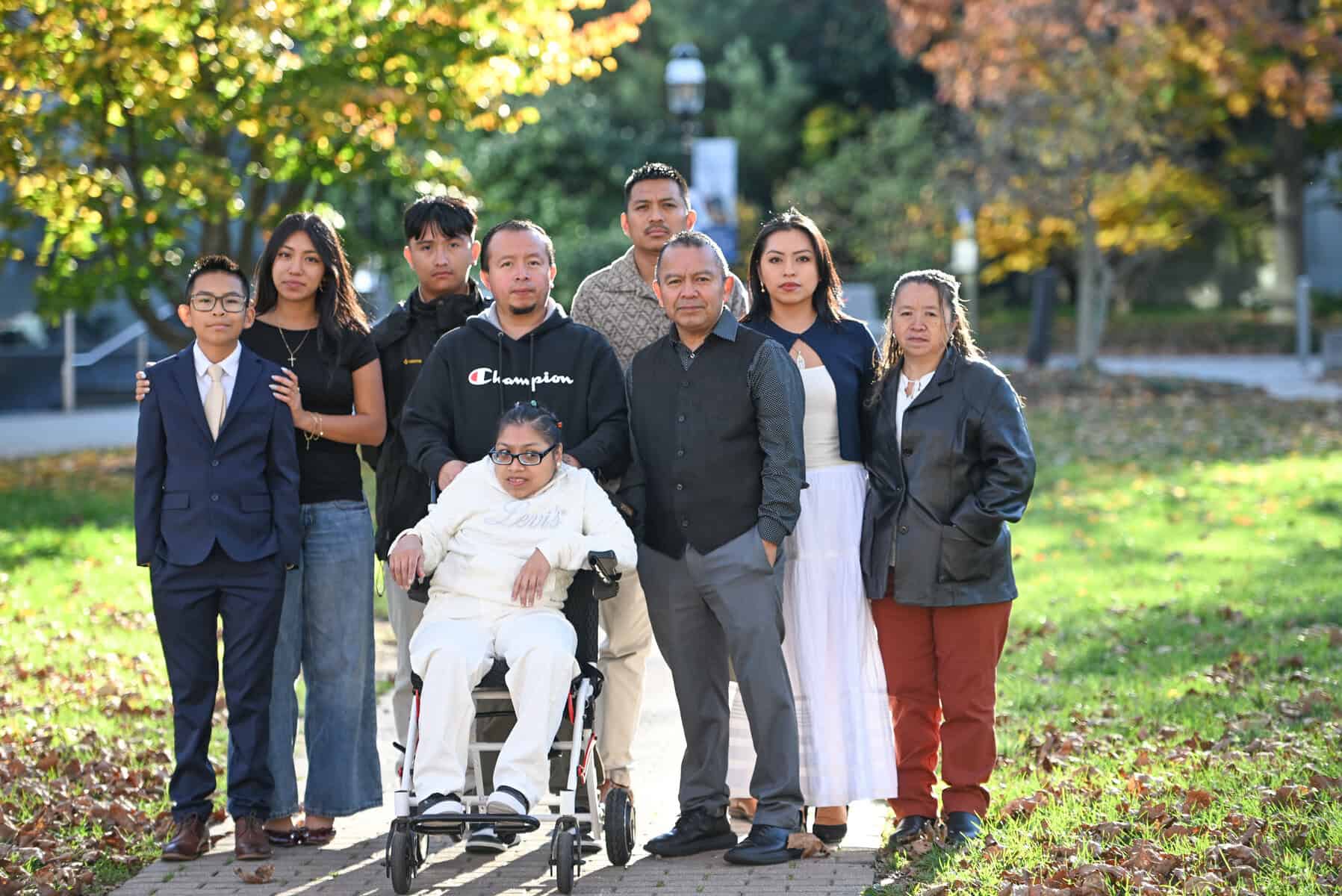
Before taking his family to the immigration office, Javier Quiej made one last stop at his church. He drove there early, while it was still dark, to meet with his pastor. He then returned to the family’s apartment in Princeton just before 7 a.m. It was time to gather everyone and get in the van.
He and his wife, Graciela, helped their adult daughter, Ebelyn, into her seat and loaded her wheelchair into the back. Their youngest son, Michael, climbed in too. He was missing a day of high school to go with them.
No one knew whether they would all be coming home.
As they headed south on Interstate 295, Javier led the family in prayer.
“Padre nuestro, que estás en el cielo…”
Our Father, who art in heaven.
The family prayed the entire drive to the U.S. Immigration and Customs Enforcement office in Mount Laurel, nearly an hour from their Princeton home.
It was a cold February day. The Quiejs had reported to ICE the previous November, and being called back ahead of their next scheduled appointment frightened them.
Outside the ICE office, a few dozen immigrants waited in silence, some pacing, others checking their phones. At 8 a.m., the office opened. The Quiejs wheeled Ebelyn over to the door, and they were escorted inside with their lawyer to wait.
Less than an hour later, they emerged, the anxiety gone from their faces. They could go home while their request for a renewed stay of removal was pending. Their next appointment was set for Feb. 16, 2027. The family gathered in a circle to give thanks.
They went home believing they had another full year before they had to return.
An order to bring plane tickets
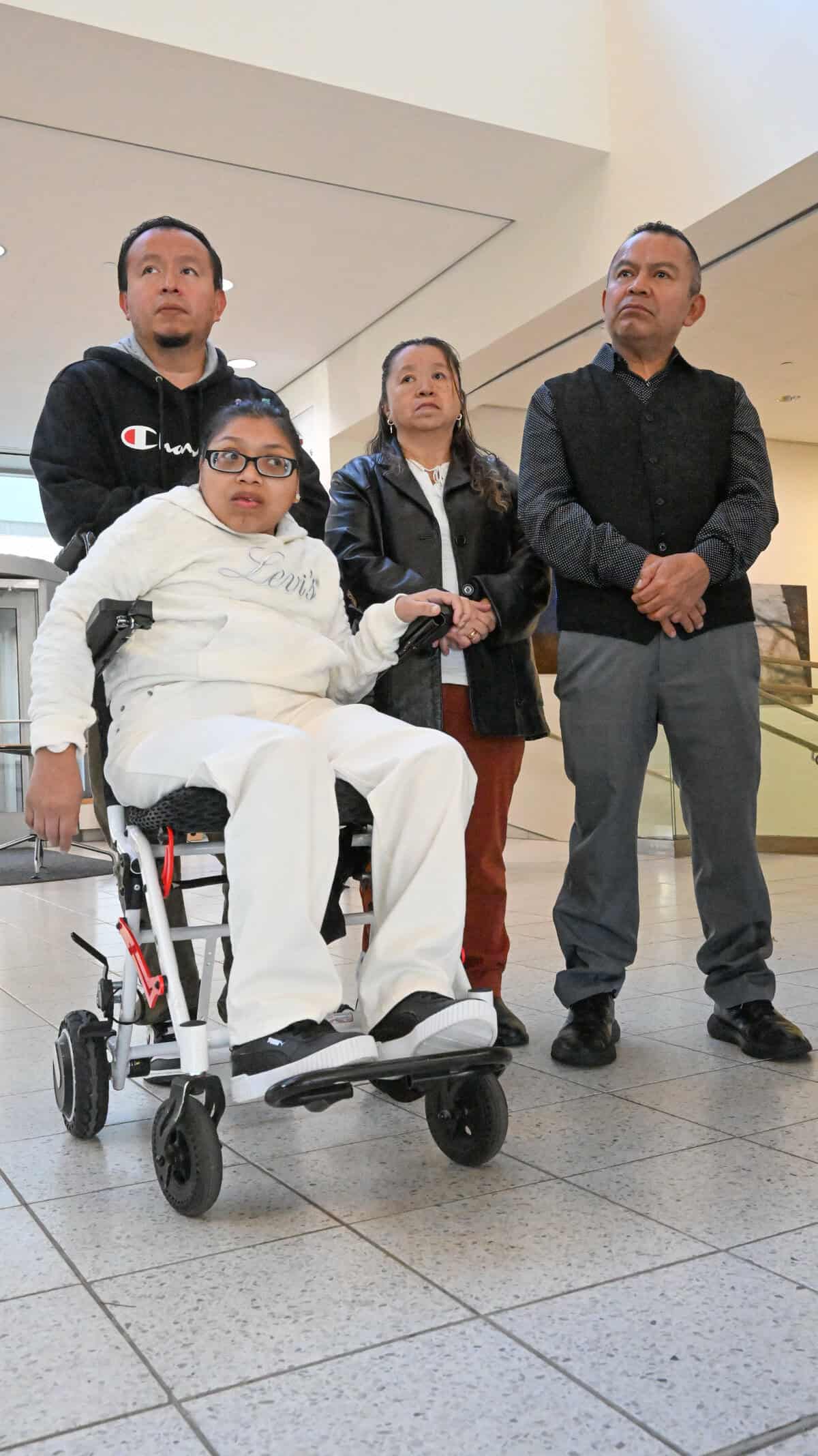
A letter from ICE dated May 11 gave Javier a six-month administrative stay of removal and instructed him to leave the country by the time it expired. Graciela’s request remained pending.
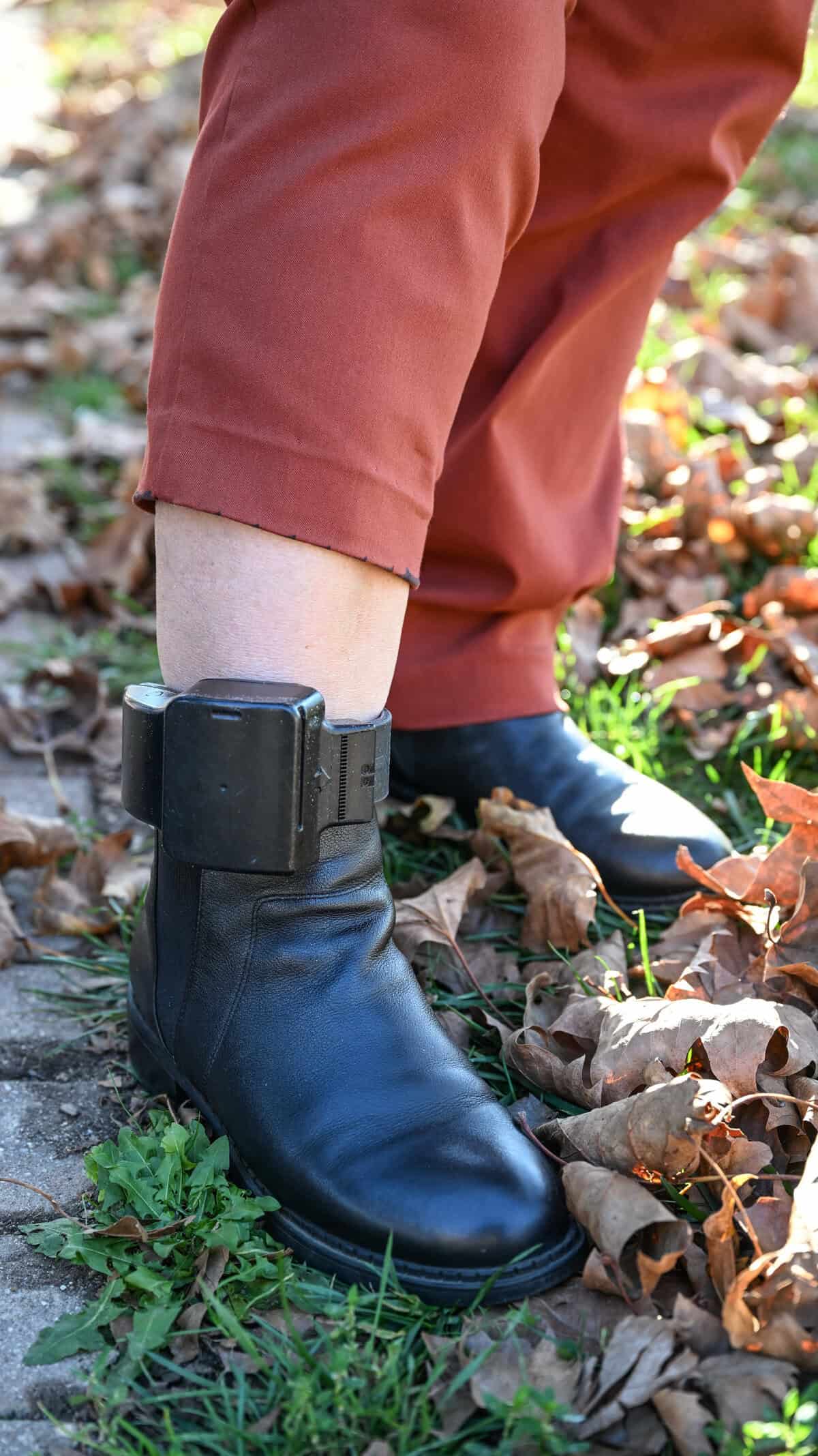
In October, ICE called Graciela back to Mount Laurel, made her wear an ankle monitor, and told her to return with a plane ticket to Guatemala. When she appeared Oct. 26, ICE rejected her ticket because it included a connecting flight. Officials wanted her to fly nonstop.
The family’s attorney, John Leschak, asked to speak to a supervisor and explained the family’s situation. Ebelyn has cerebral palsy, epilepsy, and scoliosis, and needs round-the-clock care.
When the supervisor returned, the instructions had changed, but not for the better. Javier and two of the couple’s adult children, Javier Jr. and Johanna, were also told to report on Nov. 16 with plane tickets to Guatemala. All four were told to prepare to leave by the end of the year.
Immigration authorities had long allowed the Quiejs to remain in the United States because of Ebelyn’s medical needs, Leschak told The Vindicator and Planet Princeton.
Ebelyn has humanitarian deferred action through 2028, and ICE has issued no departure instructions for her. But if her parents are forced to leave, she would go with them to Guatemala because she depends on their care.
“She is completely disabled and needs 24-7 assistance,” Leschak said. “It would be a death sentence bringing her back to Guatemala.”
An ICE official told him at the October appointment that their hands were tied. The instructions to deport the family came from Washington.
Johanna’s protection under Deferred Action for Childhood Arrivals, or DACA, remains valid until May 6, 2027. Javier Jr.’s protection expired Sept. 9. He filed for renewal before it expired, and his application is still pending. But the federal government is ignoring their DACA status.
Leschak called the Trump administration’s approach “totally draconian” and said that federal officials are either discounting or choosing to ignore Ebelyn’s significant health issues.
“Our hope is that, in light of the midterms, ICE will be softening its approach,” he said.
On Nov. 11, Graciela learned she had received a stay of removal until May 2027.
“We are thankful for that,” Leschak said.
But Javier, Javier Jr., and Johanna have received no extension and still face deportation. If Javier is deported, Graciela and Ebelyn would lose his daily help, which, among other things, includes lifting Ebelyn. The household would also lose the income it depends on.
A mother’s round-the-clock care
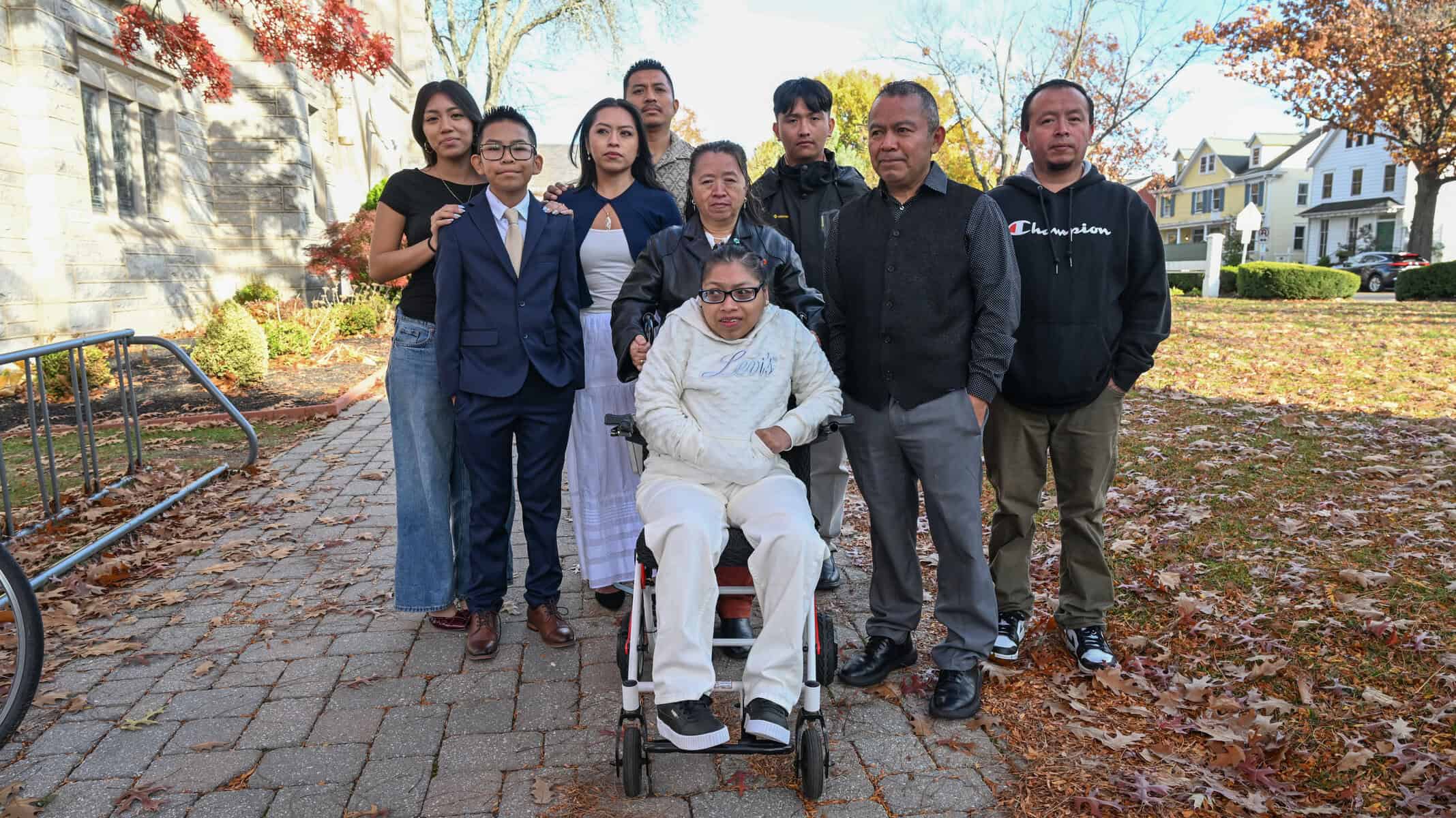
Every morning, Graciela helps Ebelyn out of bed and takes her to the bathroom. She brushes her teeth and hair, bathes her, and changes her clothes. She feeds her breakfast, which can take longer when Ebelyn feels nauseated. Ebelyn takes six medications a day. Taking her out of the house requires two people.
“She’s like a baby. She can’t do anything for herself,” Graciela said in a November interview.
Graciela rarely leaves home except for medical appointments, church, or shopping with Javier.
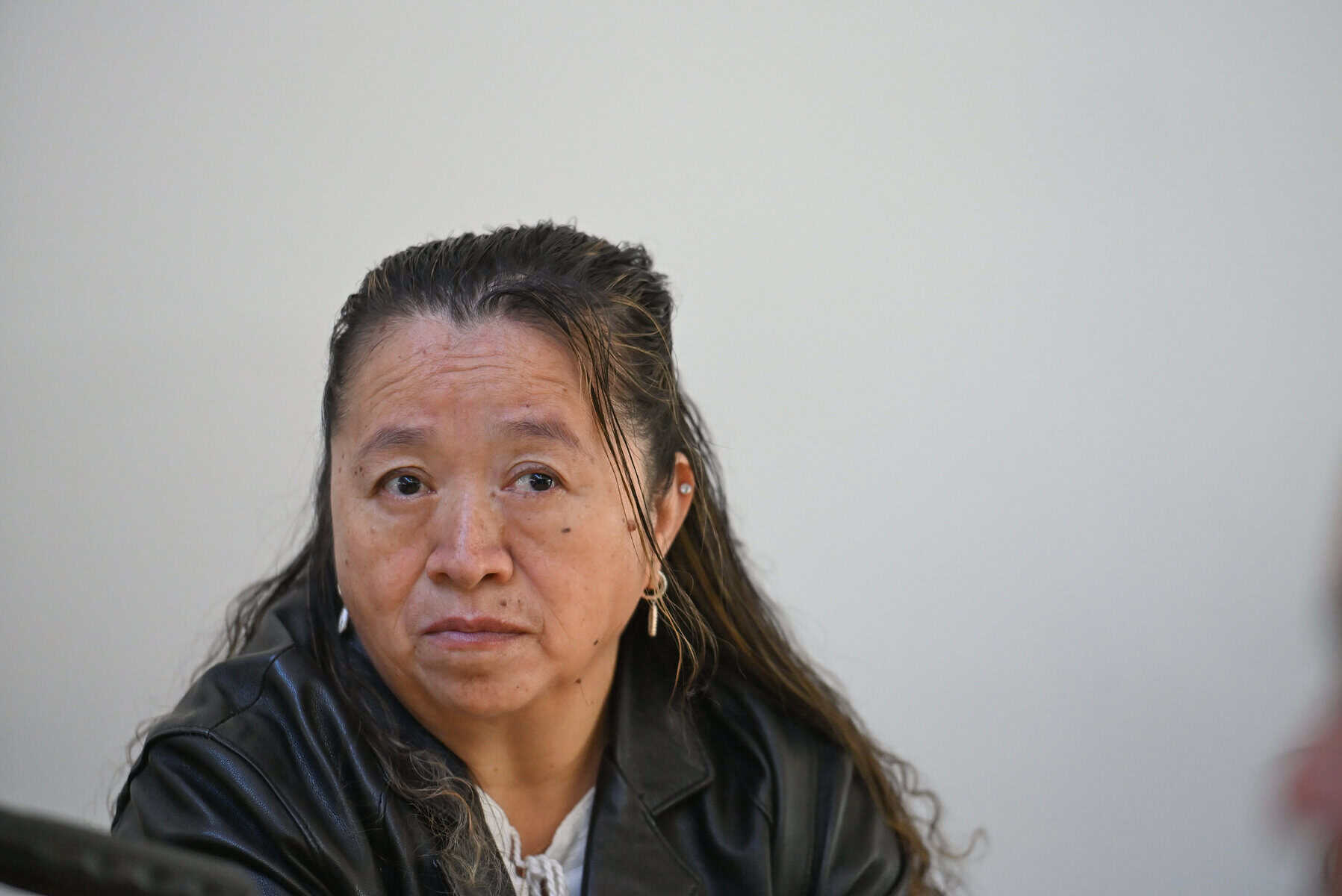
Jennifer, another of the Quiejs’ adult daughters, who was born in the U.S., has watched her mother provide that care for years.
“She’s a superwoman. I don’t know how she does it,” she said. “My sister needs a lot of care. And my mom, she’s only getting older.”
Ebelyn has very limited speech. Before the appointment back in February, she had trouble sleeping and reacted to noises in the house. Her brother-in-law Selvin said she picks up on how people around her are feeling. “We all love her so much,” he said. “She knows when they are sad. She knows when they are happy,”
Local medical professionals and social workers have all submitted letters as part of the family’s case describing Ebelyn’s health issues.
In a Feb. 3 letter, neurologist Dr. Rao Pasupuleti of Comprehensive Neurology in Hamilton described weakness on Ebelyn’s right side, repeated falls, and seizures that medication had failed to bring under control. She was having one or two small seizures a day, he wrote, along with severe headaches, nausea, and vomiting.
“[She] needs help with every single aspect of daily living,” Pasupuleti wrote.
He said Ebelyn would likely continue to need that level of help and needs both parents during medical visits and treatment.
Dr. Jasmeet Mehta, who treats Ebelyn at a primary care practice in Hamilton, warned in an Oct. 6 letter that a move would jeopardize treatment for her seizure disorder and other conditions. “She has access to appropriate health care in the U.S which she will not have back in her country,” Mehta wrote.
Social worker Jordan Goodwin said that Ebelyn’s mobility limitations and seizure disorder make flying dangerous and that she has not received medical clearance to fly.
Graciela fears being separated from Ebelyn. She also fears taking her to Guatemala, where she does not know how she would replace the medications, treatments, and equipment they have here.
A life built in Princeton
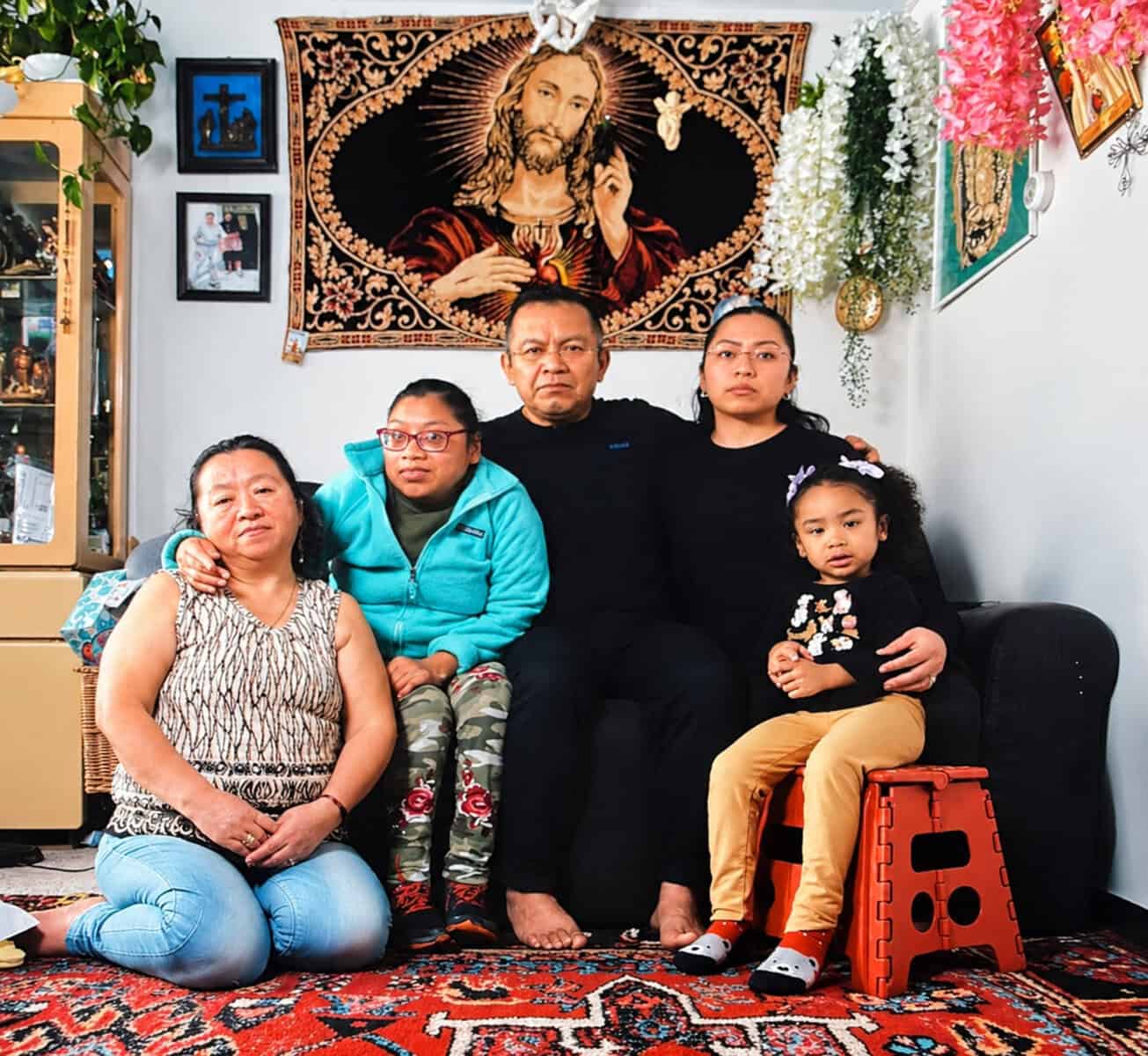
The Quiejs raised five children in Princeton. Javier Jr., Johanna, and Jennifer all graduated from Princeton High School, where Michael is now a senior. The family has belonged to the same church for more than 30 years.
The walls of the Quiejs’ apartment are covered with tapestries of Jesus and images of the Virgin Mary. The family Bible is worn from use, with many of its passages underlined and highlighted, the margins of the pages full of notes.
Javier, who works at Princeton University and as a busboy at a local restaurant, files his taxes every year, pays the rent on time, and works hard to support his children. He has spent 35 years in Princeton, all that time serving residents and students in local delis and restaurants. His parents and siblings live in Trenton. He has a few uncles in Guatemala, but his children and four grandchildren are here.
“This is their home,” Jennifer said of her parents. “Them going back to Guatemala, that’s not a home for them. It’s an unknown place now.”
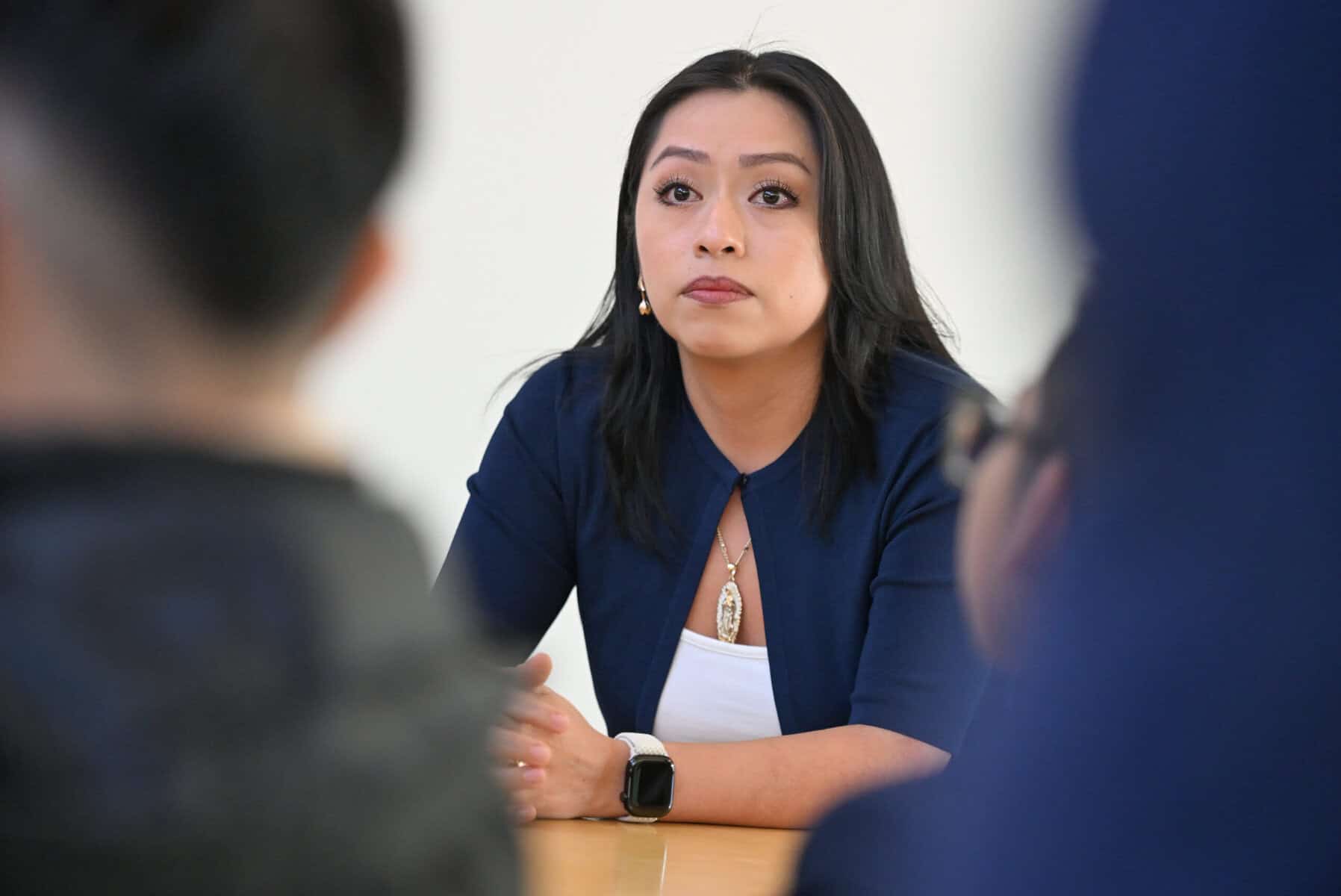
Their oldest children were little when they arrived in the U.S., and they have no memories of Guatemala.
Johanna works in a school and has two children.
Javier Jr. has worked at Viburnum Designs in Princeton for about 18 years. Rachel Pellichero, the shop’s event director and designer, has worked with him for 17 years, 10 of them side by side in the design room. She said he handles everything from daily deliveries to installations in customers’ homes and helps with floral designs for events. “He is our go-to guy,” she said.
Pellichero recalled how he took on extra work after she injured her back a few years ago. “He would stay late. He would get there early. He would pre-pack things,” she said. Pellichero said he has become like family.
Selvin talked about how hard the entire family has worked to achieve the American dream, especially Javier.
“We’re just human beings,” he said. “We go to church, we work hard, we try to grow a family.”
Decades of reprieves
Javier came to the United States in 1991, while Guatemala was in the midst of a civil war. Graciela followed in 1993 with their three children. Javier Jr. was 5, Johanna was 3, and Ebelyn was 2.
At the border, the people who arranged their passage told her the girls would cross without her because they might cry and draw attention. Her son clung to her and was allowed to stay by her side.
The girls crossed with strangers. Graciela said two or three days passed before she saw them again. She worried especially about Ebelyn, who could not walk.
In Los Angeles, Johanna was separated from the family again when there were too few plane tickets. Javier recalled that she spent about 10 days there before someone brought her to Princeton.
After the family reunited, Graciela took Ebelyn to a health center that referred her to Shriners Hospital. She received treatment there for years and underwent several operations on her hips and lower body.
The family stayed in Princeton because of Ebelyn’s medical needs.
Javier reported regularly to immigration officials for years. In 2011, Ebelyn received humanitarian deferred action, and her parents received work permits. In 2012, ICE told the family to bring plane tickets to Guatemala, but then later told them they could report without tickets because the agency had decided against deporting them.
Johanna and Javier Jr. later qualified for the deferred-action program President Barack Obama had announced for certain immigrants brought to the United States as children.
Javier has an approved family petition filed by his stepfather, but a removal order has prevented him from obtaining permanent residence. An application for permission to reapply for admission to the United States remains pending.
The possibility of separation
Jennifer, who was born in the U.S., has two children and a full-time job. Her husband works at Princeton University.
For Jennifer, the strain of the family’s situation shows in her mother’s reaction when someone shows up at their home.
“Any time someone knocks on the door, she’s scared, because she doesn’t know who it could be,” she said.
Jennifer recalled that her family never had much money when she was growing up in Princeton, but she never felt she was missing out.
“My parents always provided what we needed. And we always had their love,” she said.
Michael is a good student. He speaks English and Spanish, is learning Japanese, and hopes to attend college. Javier said the thought of having to tell his son to stay behind to finish school without him and prepare for a career hurts.
Johanna would have to decide whether to take her two U.S.-born children to Guatemala or leave them here.
On Nov. 16, Javier, Javier Jr., and Johanna are due back at the ICE office in Mount Laurel with their plane tickets to Guatemala.
Asked how the family would manage, Javier said they are placing themselves in God’s hands.
Editor’s notes: The family has been able to hire a lawyer thanks to the Nassau Presbyterian Church’s Neighbors Fund. All descriptions in the story were observed by the reporter. We spent two days with the family in February at their home and. outside the Mt. Laurel ICE office in February, and an afternoon with the family on Nov. 8.